


Missouri Slip and Fall Statistics
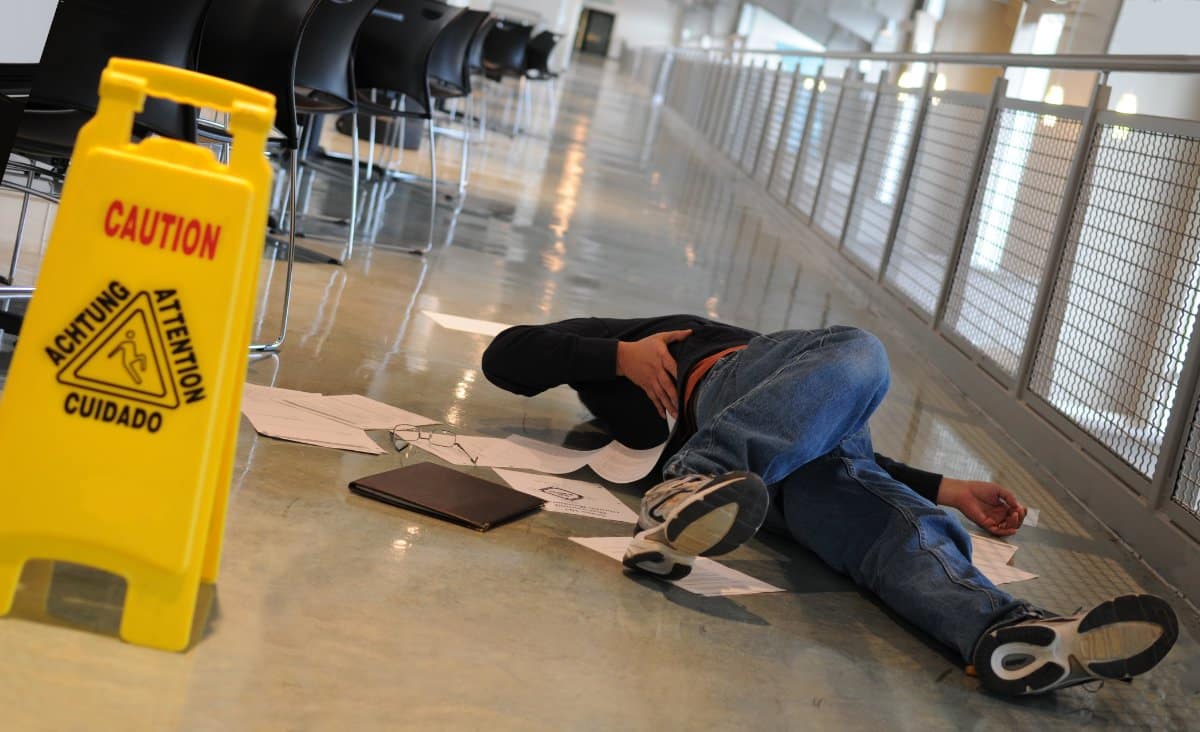
Each of us is vulnerable to slip-and-fall accidents. However, older adults are especially vulnerable because they face a greater risk of suffering fractures, long-term complications and reduced mobility when they are injured in a fall. These types of injuries remain a public health concern because they are responsible for a significant number of hospitalizations and deaths among seniors. In Missouri, fall-related deaths among senior citizens have exceeded national averages in recent years, which speaks to the importance of preventing such incidents and creating more public awareness.
This article looks at important Missouri and national statistics relating to slip-and-fall accidents and what these numbers are trends can tell us about the impact of these incidents on individuals and communities.
Missouri Slip and Fall Statistics at a Glance
Slip-and-fall accidents may feel commonplace, but the fact remains that they do affect thousands of people in Missouri every year. These accidents result in people suffering injuries that often require medical treatment, rehabilitation or even hospitalization. Falls can result in injuries ranging from sprains and strains to broken bones, head injuries and spinal cord trauma.
Statistics tell us that older adults are at a very high risk for falls and fall-related injuries. In fact, falls are the leading cause of not just injury-related emergency room visits among seniors, but also deaths. Seniors are at a greater risk because they often have balance issues, reduced strength and an increased likelihood for complications after an accident. Fall-related deaths among seniors is higher than the national average in Missouri.
Workplace slip, trip and fall accidents also feature prominently in Missouri’s injury statistics. Workers in industries such as healthcare, construction, retail and transportation may face greater risks because of their work environment where they may encounter hazards such as wet floors, working from heights, uneven surfaces, inadequate lighting or other types of unsafe conditions.
Quick Facts: Missouri and National Fall Statistics
Missouri Senior Falls
· Falls are a major cause of injury and hospitalization among Missouri adults who are 65 or older.
· Falls among older adults often result in fractures, reduced independence and increased medical needs.
Missouri Fall-Related Deaths
· Fall-related deaths among older Missourians have exceeded national averages in recent years.
· Fatal falls are also a growing concern as the state’s senior population increases.
Workplace Falls
· Slip, trip and fall incidents remain among the most common injuries on the job.
· Falls in the workplace are preventable by following proper safety practices.
National Fall Injury Figures
· Millions of Americans are injured in falls each year.
· Falls are the leading cause of injury-related ER visits and deaths among older adults across the U.S.
Missouri Older Adult Fall Statistics
Falls among Seniors
According to the Centers for Disease Control and Prevention (CDC), more than 14 million adults who are 65 and older report falling in the United States. That’s one in four senior citizens. The CDC also reports that falls are the leading cause of both fatal and nonfatal injuries among older adults nationwide.
In Missouri, it is deeply concerning that fall rates among older adults are high. Recent statistics show that more than 30% of Missouri’s seniors report experiencing a fall. This places the state among areas where older residents face a higher-than-average risk of falls. As the population of older adults continues to increase in Missouri, the number of people at risk for fall-related injuries is also expected to rise. Seniors face the added risk of vision problems, medication effects and other chronic health conditions, which could make them prone to falling.
Fall-related Death Statistics
Fall-related deaths among Missouri residents who are 65 and older also remains a major public health concern. In 2022 alone, Missouri reported a fall-related death rate of 71.2 deaths per 100,000 adults who are 65 and older, which is higher compared to the national rate of 70.8 deaths per 100,000. More recent data relating to fatalities highlight the seriousness of the issue. In 2023, fall-related death rate among adults 65 and older in the U.S. was 69.9 per 100,000, with 41,400 deaths nationwide attributed to unintentional falls, CDC reports. Fall death rates have increased over time with older adults experiencing higher risks as they age, data show.
Common Senior Fall Injuries
A slip and fall accident or trip and fall accident can alter the course of an older adult’s life. Some of the most common injuries suffered by seniors include:
· Hip fractures: Falls are the leading cause of hip fractures among older adults. Often, these injuries require surgery, rehabilitation and extended recovery.
· Head injuries: A fall could result in concussions and traumatic brain injuries including bleeding in the brain, which could result in permanent disabilities.
· Broken bones: Wrist, arm, leg and spinal consequences are common consequences of falls.
· Loss of independence: One of the most devastating consequences of a fall for an older adult is loss of mobility and independence. As a psychological consequence, many seniors fear falling again, which leads to reduced activity, isolation and even depression.
Missouri Workplace Slip, Trip, and Fall Statistics
For Missouri workers, slip-trip-and-fall accidents in the workplace result in major injuries. These accidents occur across nearly every industry. We often see that they occur as a result of preventable hazards such as wet surfaces, uneven flooring, poor housekeeping, unsafe ladders or the lack of proper fall protection.
According to the U.S. Bureau of Labor Statistics (BLS), slips, trips and falls continue to cause serious concern. Nationally, private employers reported 2.6 million total recordable workplace injuries and illnesses in 2023. That included 946,500 cases involving days off work. Falls accounted for 450,540 days away from work cases in 2022. This shows the significant impact these incidents can have on workers’ lives and livelihoods.
In Missouri, workplace fall hazards affect those who work in construction, manufacturing, transportation, healthcare, warehousing and other industries. BLS data show that Missouri saw 114 fatal workplace injuries in 2023. Of those deaths,15 were caused by falls. This represents 13% of all workplace fatalities in the state.
Industries with the Highest Risk
Some industries see more fall hazards than others. These include:
· Construction: Workers are injured or killed as a result of falls from roofs, scaffolds, ladders or elevated platforms. The construction industry accounted for 16 fatal workplace injuries in Missouri in 2023, BLS data show.
· Manufacturing: Workers face dangers from machinery areas and slippery floors in manufacturing facilities.
· Transportation and warehousing: Missouri reported 17 fatal workplace injuries in transportation and warehousing in 2023. Workers were exposed to dangers in loading docks and storage areas.
· Healthcare: Workers often face fall risks due to poor housekeeping, inadequate lighting and a fast-moving environment.
Fatal Workplace Falls
In Missouri’s 2023 workplace fatality data, falls, slips and trips representing 13% of on-the-job injuries compared with 17% nationally, according to BLS data. These incidents are especially dangerous when workers fall from heights. The consequences can be devastating and often involve severe head, spine or internal injuries.
Lost Work Time and Economic Impact
Slips, trips and falls on the job create both operational challenges for the employer and financial challenges for workers and their families. Employers may face workers’ compensation claims, reduced productivity and expenses relating to replacing injured workers. Preventing these falls through proper training, inspections, following safety protocols and providing workers with safety equipment can reduce the economic burden of these serious injuries.
Where Do Most Missouri Slip and Fall Accidents Occur?
Slip and fall accidents could of course happen anywhere. But, there are some locations in Missouri where the risks are much higher because of increased foot traffic, environmental hazards or lack of proper maintenance. We commonly see such incidents occur in retail stores, restaurants, parking areas, apartment complexes and hospitals.
Retail Stores
Retail stores that have a lot of foot traffic inside them are often locations for slip-and-fall accidents. Some typical causes for these include:
· Wet floors: Spills from water, beverages, cleaning solutions or people dragging in snow or water during the rainy season, etc. can create slippery surfaces in the stores.
· Food and liquid spills: Also, broken containers or dropped items cause spills in aisles at grocery stores, supermarkets, etc. leading to dangerous conditions for their customers.
· Debris: Boxes, displays, shopping carts or products that are misplaced can block aisles and create tripping hazards.
· Poor maintenance: Uneven flooring, damaged mats or carpeting or lack of warning signs, etc. can also increase the risk of slip-and-fall accidents at retail stores.
Apartment Complexes
Unsafe conditions on the property at apartment complexes can pose hazards to residents, visitors or workers. These include:
· Uneven sidewalks and walkways that have cracks or damaged surfaces.
· Broken stairs and handrails that are poorly maintained.
· Poor or inadequate lighting could cause falls in hallways, stairs and parking areas.
· Weather conditions such as ice, snow and rain that could make outdoor areas more dangerous.
Restaurants and Bars
Such establishments are also a source of routine hazards that lead to slip-and-fall accidents, such as:
· Food and drink spills, which are not cleaned right away, creating slippery floors.
· Entryways that are made slippery by rain or snow, etc.
· Chairs, boxes, bags or other objects that crowd walkways, posing a tripping hazard.
Parking Lots and Sidewalks
Outdoor areas such as parking lots and sidewalks can be dangerous as well:
· Cracks and uneven pavement.
· Accumulation of snow and ice.
· Poor drainage and puddles.
· Loose gravel or other debris.
Nursing Homes and Assisted Living Facilities
Slip-and-fall accidents are a serious concern in facilities where seniors live. This is because residents can have balance issues, limited mobility or medical conditions that make them prone to fall risks. Such facilities need to maintain the areas frequented by seniors constantly and eliminate any slip-and-fall hazard:
· Inadequate supervision and delay in helping the resident due to understaffing in the facility.
· Insufficient or inadequate assistance of a resident lacking the strength to walk or having difficulties walking due to health conditions.
· Unsafe room layouts involving clutter, poor lighting and missing safety equipment that increase the risk of a fall.
Common Slip-and-Fall Injuries
Slip-and-fall accidents in Missouri can result in injuries ranging from minor bruising or sprains to life-threatening conditions. The severity of these injuries often depend on factors such as the height of the fall, how the fall occurs, the victim’s age and so on. Some of the common injuries in slip-and-fall accidents include:
Traumatic brain injuries: These types of injuries happen when the victim strikes their head. Brain injuries in such cases can cause memory issues, mood changes, seizures or even cognitive disabilities. Severe cases may require long-term rehabilitation or ongoing medical care.
Concussions: While these tend to be categorized as “mild,” symptoms can include headaches, dizziness, confusion, fatigue and sensitivity to light. Recent studies have shown that concussions also have long-term effects including difficulty focusing on a task.
Hip fractures: These types of injuries can require surgery and extensive rehabilitation. Complications from hip injuries include reduced mobility, chronic pain and an increased risk of future falls.
Wrist and arm fractures: This happens frequently when people try to instinctively brace themselves during a fall. These injuries can take a long time to heal and victims often require physical therapy
Back injuries: These include muscle strains, herniated discs or even fractures of the vertebra. Victims may suffer from chronic pain and have difficult lifting objects in such cases. The pain and inability to do certain tasks can keep victims from returning to work.
Neck injuries: These range from sprains and strains to more serious damage involving the cervical spine. Chronic or persistent pain, nerve issues and headaches can result from such injuries.
Soft tissue injuries: These can include torn ligaments, sprains and muscle damage, which cause ongoing discomfort, weakness and reduced function even after the initial injury heals.
Spinal cord injuries: Damage or trauma to the spinal cord can result in partial or complete paralysis, loss of sensation, chronic pain and sometimes, even the need for lifelong medical support and nursing care.
The Financial Cost of Slip and Fall Injuries
Slip and fall injuries can create significant financial strain for not just victims, but also their families.
Medical expenses: Victims face medical expenses ranging from emergency care to hospital stays, imaging tests, medication costs and costly follow-up appointments. In more serious falls, surgery may be required to repair broken bones or joints. After surgery, victims may need extensive rehabilitation to regain strength and mobility.
Lost income and Benefits: Injured victims often end up missing work while recovering, resulting in reduced wages, benefits or the loss of employment opportunities. For workers with physically demanding jobs, a serious injury may prevent them from returning to work. As a result, victims can experience reduced earning capacities especially when these limitations continue.
Long-term care costs: This could be significant especially for seniors, who are more likely to suffer severe injuries and health complications after a fall. A hip fracture, for example, might need ongoing nursing care, home modifications or even require moving to an assisted living facility.
The economic burden of slip-and-fall accidents, as we see, often goes beyond the individual victims. Nationwide, fall-related injuries add up billions of dollars in healthcare expenses each year.
Missouri Slip and Fall Statistics: Frequently Asked Questions
How common are slip and fall accidents in Missouri?
Slip and fall accidents are extremely common in Missouri. They occur in homes, workplaces, stores, parking lots, sidewalks and other public places.
What are the most common slip and fall injuries?
Common injuries from falls include broken bones, sprains, soft tissue damage, back injuries, neck injuries, concussions and traumatic brain injuries.
What age group experiences the most serious fall injuries?
Senior citizens often experience the most severe injuries from falls. Such incidents can result in fractures, head injuries and mobility issues for an older adult that may require extensive treatment or even long-term care.
Are falls a leading cause of injury among older adults?
Yes. Falls are a major safety issue for older adults because aging can increase the risk of falling. Older people face balance issue, tend to have weaker bones and need a longer recovery time. Just falling one time can affect their future quality of life.
How many workplace injuries involve slips, trips, and falls?
Slips, trips and falls are responsible for on-the-job injuries across several industries. Workers in construction, healthcare, retail and other service jobs are particularly vulnerable because of the risk-filled environments in which they work.
Do most slip-and-fall accidents occur indoors or outdoors?
Falls could happen both indoors and outdoors. Indoor accidents often involve spills, clutter or unsafe flooring while outdoor falls commonly involve uneven pavement or weather conditions.
Are winter months more dangerous for slip and fall accidents?
Yes. Ice, snow and freezing temperatures can increase fall risks particularly on sidewalks, stairs and parking lots.
Why are slip and fall statistics important in premises liability cases?
Statistics help show the seriousness of fall hazards, identify patterns and provide context when determining responsibility or assigning fault in a slip-and-fall or trip-and-fall incident involving unsafe property conditions.
Protecting Your Rights
Slip-and-fall or trip-and-fall accidents can affect victims of all ages in Missouri. The state’s oldest residents, however, face the greatest risk of long-term complications and death. Falls can also result in substantial financial burdens for victims and families including medical expenses, lost income and ongoing costs.
Many of these accidents are preventable when property owners and managers take the necessary precautions to keep their premises safe. After a serious fall, understanding the circumstances of the accident and knowing the legal options available to you is very important. Please remember, it is in your best interest to document the incident, seek prompt medical attention and consult an experienced Missouri slip and fall attorney. Your attorney can determine if unsafe property conditions or negligence contributed to your fall-related injuries.

Kansas City personal injury attorney James Roswold of Kansas City Accident Injury Attorneys handles cases dealing with victims of personal injury, medical negligence, wrongful death, workers compensation, nursing home negligence, premises liability, product liability, car accident, truck accident and motorcycle accident cases.